Summer Solstice! Is Here!
The summer solstice occurs when Earth's axis points most toward the Sun, bringing the longest day and shortest night of the year. Depending on your cultural or regional tradition, this astronomical event is widely known by several other names, including Midsummer and Litha.The solstice is known by various names depending on context and tradition:Midsummer: Popular cultural and historical term marking the middle of the summer season.Litha: The Anglo-Saxon and Wiccan name for the sabbat and holiday.June Solstice: The strictly scientific/calendar name, as it occurs in June.Estival Solstice: The formal Latinate term for the summer solstice.Alban Hefin: The Druidic name, translating to "The Light of Summer".
5/8/20245 min read
Blog Post 2 - Midsummer Solstice in British Pagan & Heathen Traditions
The Summer Solstice, often called Midsummer or Litha (Liða in Anglo-Saxon) by modern Pagans, is the longest day and shortest night of the year, occurring around 20–21 June. It marks the height of the sun's power and has long been associated with abundance, fertility, light, and the turning of the seasons. This year, it falls on Sunday 21st of June which is also Father’s Day here in the UK.
A Brief History
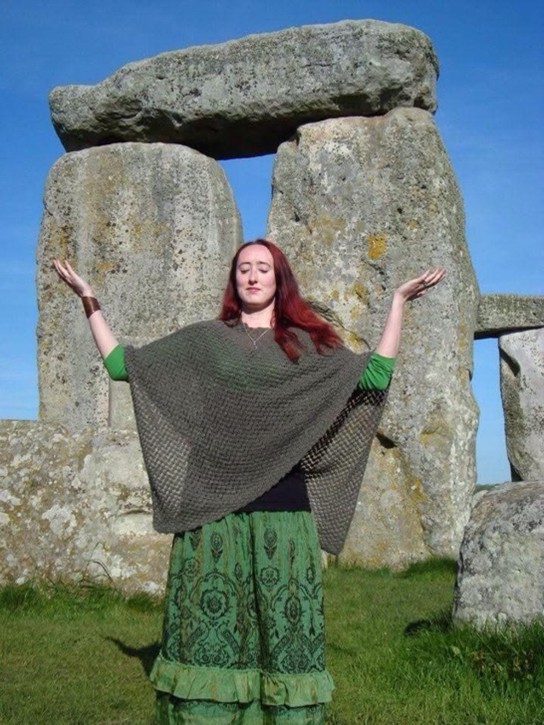
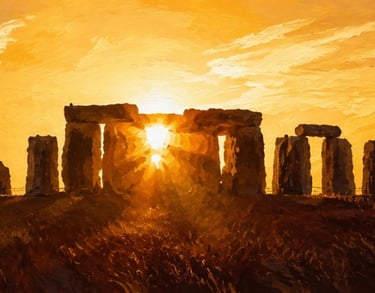
Long before Christianity arrived in Britain, prehistoric and Celtic peoples paid close attention to the movements of the sun. Ancient monuments such as Stonehenge were aligned with the rising sun at the summer solstice, suggesting that this day held great spiritual significance.
While we know relatively little about the exact practices of the ancient Celts, historical and folkloric traditions point to celebrations involving:
• Gathering herbs believed to possess magical or healing properties.
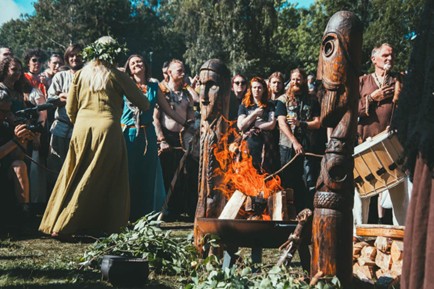
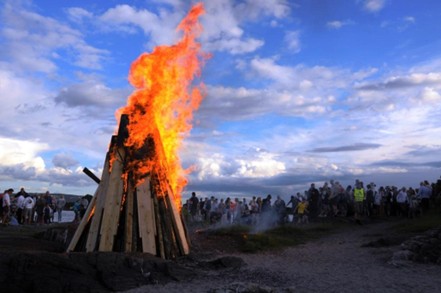
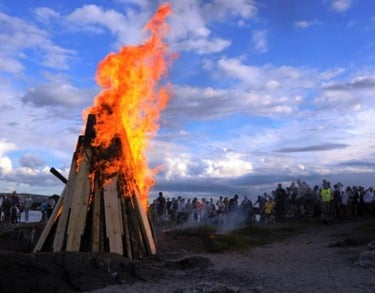
• Lighting bonfires to honour the sun and encourage prosperity.
• Dancing, feasting, and communal gatherings.
• Fertility rites and blessings for crops and livestock.
• Watching the sunrise at sacred sites.
Many of these customs survived in folk traditions even after Britain became Christianised, blending with local saints' days and midsummer festivities.
Midsummer in Modern Paganism
Modern Pagans—including practitioners of Wicca, Druidry, Heathenry and Eclectic Pagan traditions—celebrate Midsummer as one of the eight festivals of the Wheel of the Year.
Common modern practices include:
☀️ Greeting the Sunrise
Many people gather at sacred places such as Stonehenge or local hills to watch the sun rise and welcome the longest day.
🔥 Bonfires and Candles
Fire symbolises the strength of the sun. Bonfires, lanterns, or simple candle rituals are often used to honour the season and offer thanks.
🌿 Nature and Flower Decorations
Homes and altars may be decorated with:
• Oak leaves
• Wildflowers
• Roses
• Lavender
• St John's Wort
These plants are traditionally associated with protection, love, and abundance.
🍓 Feasting
Seasonal foods such as strawberries, honey, fresh bread, mead, and summer fruits are shared with family or fellow Pagans.
🧘 Ritual and Reflection
Many Pagans perform rituals celebrating:
• Gratitude for life's blessings.
• Personal growth and creativity.
• Balance between light and darkness, recognising that after the solstice the days gradually begin to shorten.
🎶 Music, Dancing, and Community
Some groups hold outdoor gatherings with drumming, singing, storytelling, and dancing around fires or maypoles.
Stonehenge and the Solstice Today
Every year thousands of people—including Pagans, Druids, spiritual seekers, and visitors - gather at Stonehenge to witness the sun rising over the Heel Stone.
Unlike most days of the year, access to the monument is opened for this special occasion, creating one of Britain's most famous solstice celebrations.
Midsummer in Norse Pagan Heathenry
Modern Norse Pagans (often called Heathens or practitioners of Ásatrú) celebrate Midsummer in a variety of ways. Unlike some other holidays, there is little surviving evidence for a specific ancient Norse "Midsummer festival," so modern practices combine historical inspiration, Scandinavian folk traditions, and contemporary Heathen spirituality.
Historical Background
In the Viking Age, people in Scandinavia marked the seasons with communal feasts and sacrificial rites called blóts. While most surviving sources mention winter festivals such as Jól (Yule), the importance of the sun, fertility, and successful harvests suggests that summer gatherings were also significant. Some modern Heathens associate Midsummer with deities such as:
Freyr – associated with fertility, peace, and good harvests.
Freyja – associated with beauty, abundance, and seiðr (magic).
Sól – who drives the sun across the sky.
Thor – protector of people and crops.
How Modern Heathens Celebrate Midsummer
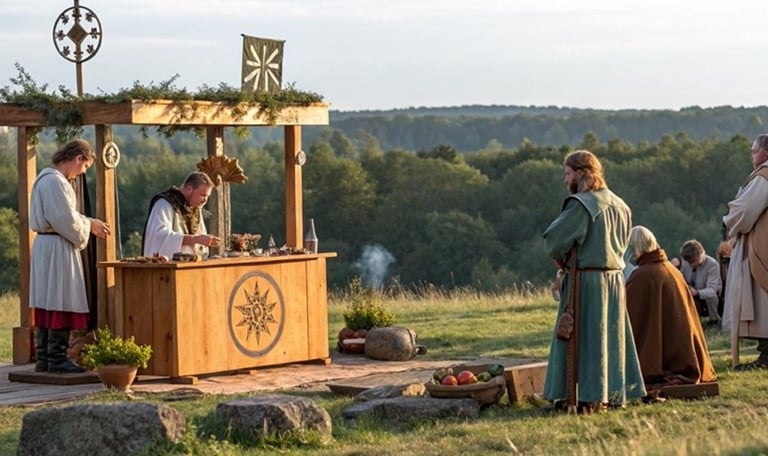
🔥 Blót (Offerings)
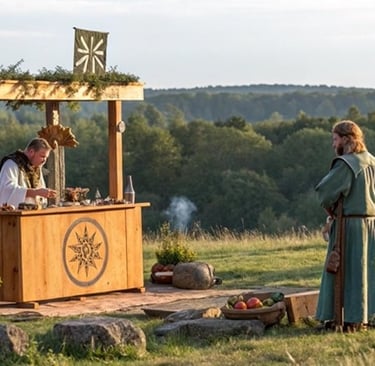
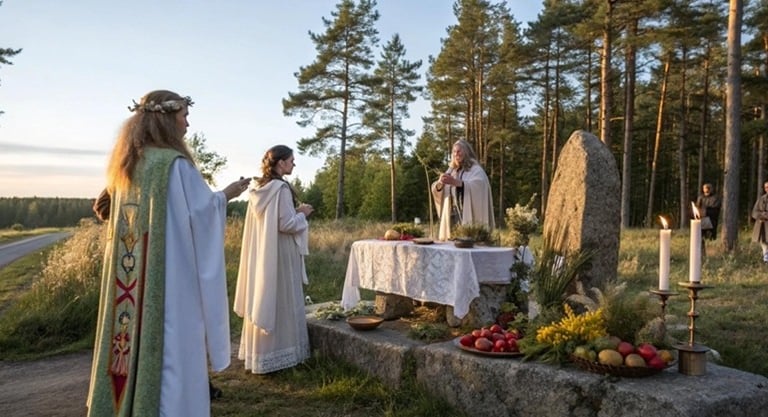
A blót is a ritual of giving gifts to the gods, ancestors, or land spirits. Offerings may include:
Mead or ale
Bread
Fruit and berries
Honey
Flowers
Oats or grain
Offerings are often poured onto the earth, into a fire, or left beneath a tree.
☀️ Greeting the Sun
Many Heathens rise before dawn to watch the sunrise, offering prayers or simply expressing gratitude for the height of summer and the gifts of nature.
🍻 Symbel (Sacred Toasting)
After rituals, groups often hold a symbel (or sumbel), a ceremonial round of drinking and toasting. Participants may:
Honour the gods.
Remember ancestors and loved ones.
Speak of accomplishments or personal goals.
Make oaths or boasts (which are taken seriously in Heathen tradition).
🔥 Bonfires
Bonfires are common and represent:
The power of the sun.
Protection from harmful influences.
Community and fellowship.
Some people throw herbs into the flames or write wishes and burn them symbolically.
🌿 Honouring Landvættir
Heathens often make offerings to the landvættir (land spirits) by:
Leaving milk, bread, or beer outdoors.
Cleaning natural spaces.
Planting flowers or tending gardens.
Spending quiet time in forests or by water.
🍖 Feasting
Community is central to Heathenry. A Midsummer feast may feature:
Roasted meats
Bread and cheese
Seasonal fruits and berries
Mead or cider
Homemade dishes shared among family and friends
🌸 Decorations and Folk Customs
Inspired by Scandinavian traditions, some Heathens:
Wear flower crowns.
Decorate homes with birch branches and wildflowers.
Dance around a maypole.
Gather herbs believed to possess special power on Midsummer night.
🧙 Seiðr and Divination
Some practitioners perform forms of meditation, trance work, rune casting, or seiðr (Norse-inspired magical practice pronounced Say-Ther) to seek guidance or connect with ancestors and spirits.
A Sample Modern Heathen Midsummer Celebration
Gather outdoors near sunrise.
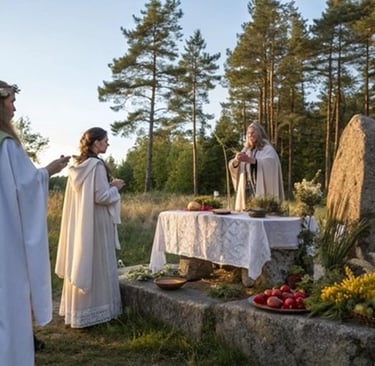
Set up an altar with candles, flowers, and offerings.
Hold a blót to Freyr, Freyja, Sól, or the local land spirits.
Share a symbel with toasts to gods, ancestors, and community.
Enjoy a communal feast.
Light a bonfire and sing songs or tell stories.
Spend the evening in fellowship beneath the lingering summer light.
A Note on History
Modern Heathen Midsummer celebrations are largely reconstructions and revivals, rather than direct continuations of a fully documented Viking Age festival. Different groups - from reconstructionist Heathens to eclectic Ásatrú practitioners - celebrate in different ways, but most emphasize hospitality, reciprocity, honouring the gods and ancestors, and appreciation for the natural world.
Finally,
For modern British Pagans, Midsummer is less about reconstructing a single ancient religion and more about celebrating humanity's connection with nature.
It is a festival of light, abundance, joy, and gratitude, while also acknowledging that the wheel of the year continues to turn and that darkness will gradually return after the sun reaches its greatest height.
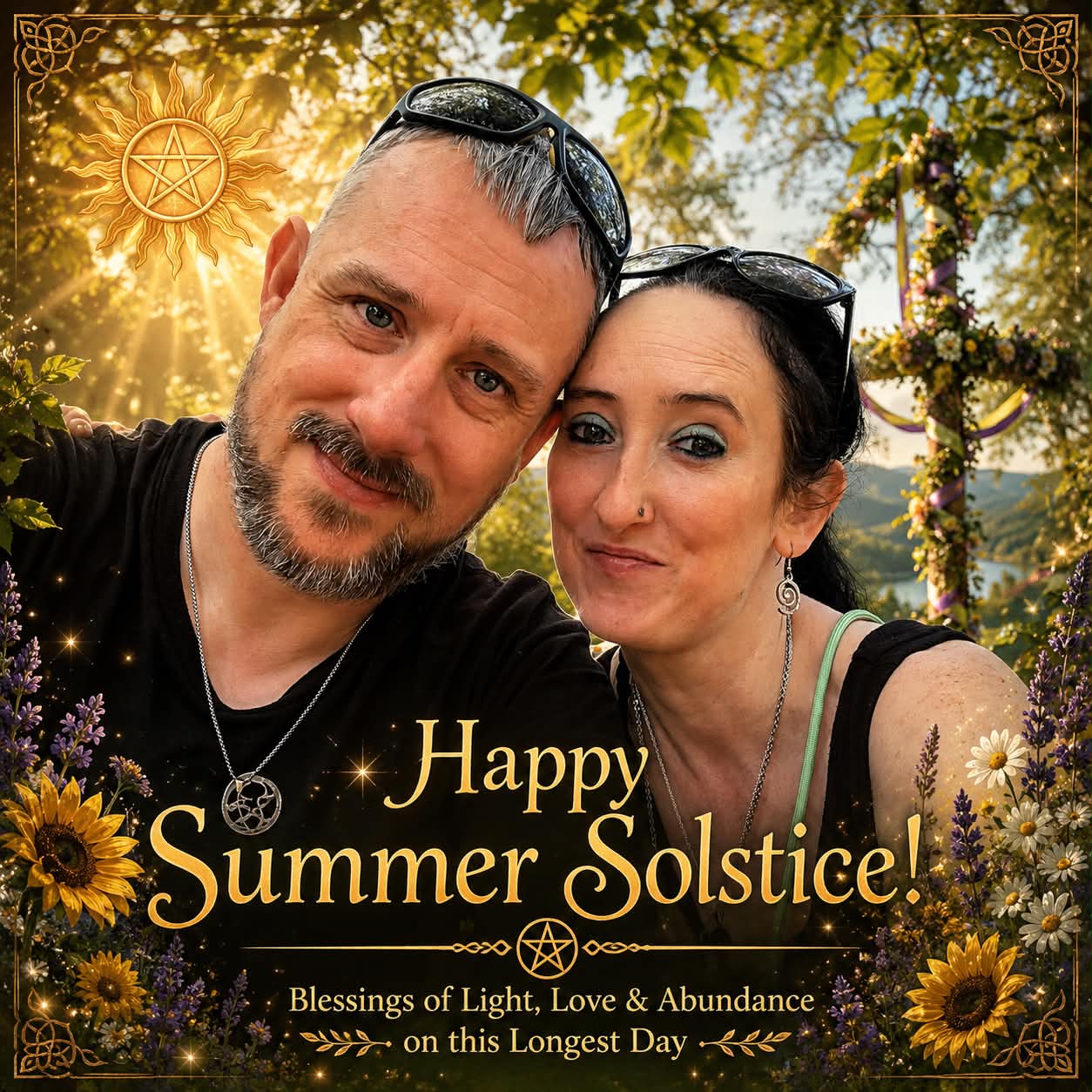
Whatever you are doing this weekend to mark the Solstice, may this next Turn of the Wheel Bless you with Abundance, Prosperity & Joy.
Blessings,
Z and M

Connect
Join our community for more info
Contact
Ladyofthesite@Paganmoonpathways.com
Lordofthesite@Paganmoonpathways.com
© 2025. All rights reserved.